
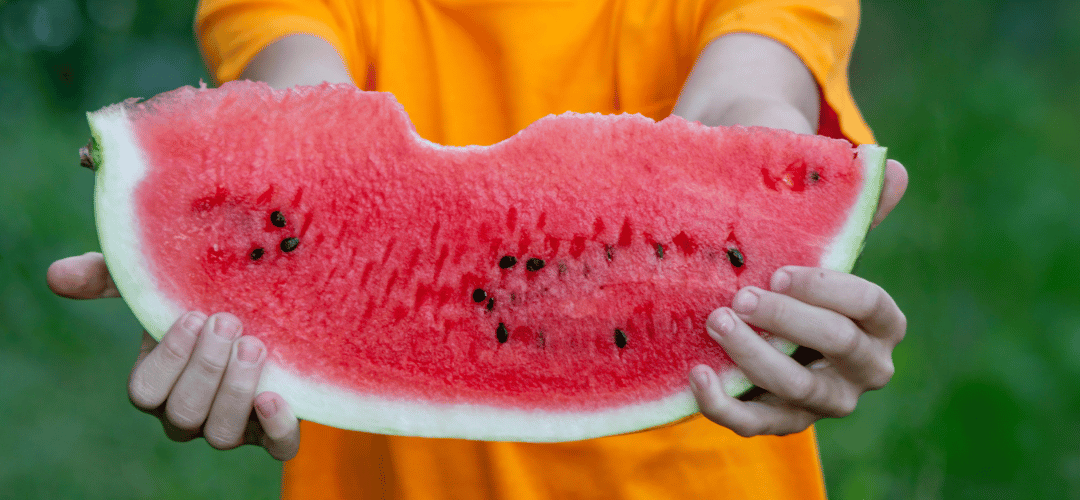
Have you ever bought a watermelon that was wonderfully sweet and juicy, then found that the next one tasted a little different? Watermelons vary in flavour throughout the year as varieties, growing conditions and harvest maturity change. Two good melons can taste different.
At C&M Watermelons, we have supplied watermelons to UK trade customers since 1973. Every growing season brings its own conditions. Customers still expect a sweet, juicy slice, so it helps to understand what can change between crops.
What Makes Some Watermelons Sweeter Than Others?
Some watermelons taste sweeter than others because of differences in variety, growing conditions and maturity. As the fruit develops, it builds up sugars that contribute to its flavour.
Sweetness alone doesn’t decide how a slice tastes. Crisp flesh and plenty of juice change the eating experience. Aroma matters as well.
Do Different Watermelon Varieties Taste Different?
Yes. Different varieties develop different flavours and textures. Some have very sweet flesh; others taste milder or feel less crisp.
We supply varieties including Crimson, Dumara and Galaxy, alongside seedless types. A variety name gives buyers a starting point, but size and appearance alone cannot tell them exactly how a melon will taste.
You might expect seedless watermelons to taste sweeter. That isn’t necessarily the case. Variety, growing conditions and maturity at harvest all influence sweetness.
How Does Weather Affect Watermelon Sweetness?
Weather affects sweetness as the plant develops its fruit. Sunshine helps the leaves make sugars through photosynthesis. Temperature and water availability also shape how the crop grows.
Watermelon plants favour warm conditions, but extra heat doesn’t guarantee extra sweetness. Severe heat or a shortage of water can place the crop under stress and affect fruit quality.
Even crops from the same region can turn out differently. Growers manage the conditions they can, but the weather still has a say.
Do Watermelons Get Sweeter the Longer They Grow?
The fruit generally gains sweetness as it matures on the plant, assuming conditions support healthy growth. During that time, sugars accumulate and the flesh develops its flavour and texture.
Leaving a melon on the vine for longer may sound like an easy way to make it sweeter. It isn’t. Growers need to harvest at the right stage of maturity, since fruit left too long may lose eating quality.
Bananas and pears continue to ripen after picking. A watermelon behaves differently: it gains little, if any, extra sweetness once growers harvest it.
Harvest timing matters. Most of the sweetness develops while the fruit remains on the plant.
Are Watermelons Sweeter at Certain Times of Year?
A favourable growing season can produce sweet fruit, but no particular month guarantees the sweetest crop. Variety, conditions in the field and harvest maturity still make a difference.
For UK shops, a noticeable change can occur when supply moves from one seasonal crop to another.
During spring, supplies may arrive from growing regions such as Morocco, Spain, Tunisia and Cyprus. Greek watermelons usually enter the UK market around June, with supplies often continuing until late September. The timing can vary with the season.
The change may show up in the size of the fruit, the firmness of the flesh or its sweetness. A shop can receive sound, good-quality fruit from a new harvest and still find that it tastes different from the previous supply.
If a melon from your usual shop tastes different a few weeks later, the shop may simply be selling fruit from a different crop. That is useful to know before judging the quality of the new arrival.
For more information about seasonal availability, take a look at our guide to the Greek watermelon season.
Does a Less Sweet Watermelon Mean It Is Poor Quality?
Not necessarily. A less sweet watermelon can still be sound and enjoyable, although sweetness remains an important part of eating quality. Varieties and harvests naturally differ.
Strawberries offer a familiar comparison. One batch may taste intensely sweet; another may have a more delicate flavour. Both can be fresh.
Fruit condition is another matter. If you notice an unpleasant smell, slimy flesh, visible mould or signs of decay, don’t dismiss them as seasonal differences. Avoid eating affected fruit.
Retailers need to understand that difference, especially when a customer asks why a recent purchase tasted less sweet.
For practical advice on choosing fruit, our guide to picking the perfect watermelon explores what to look for.
What Should Retailers Tell Customers About Watermelon Flavour?
For greengrocers, market traders and food retailers, questions about sweetness are part of selling fresh watermelons.
When someone asks why their last purchase tasted sweeter, the useful starting point is the current crop. Has the variety changed? Is the fruit coming from a different growing region?
A retailer can explain that those changes may affect flavour without promising identical sweetness from every melon. It is a straightforward answer, and it gives the customer something more useful than a general assurance about freshness.
The supplier can help with that conversation. Asking which varieties are currently available and what to expect from them gives shop owners better information before they put fruit on sale.
A milder flavour can reflect natural crop variation, but it can still disappoint a customer. Signs of poor condition call for a different response. If fruit develops an unpleasant smell, leaks or shows signs of decay, examine the affected stock and raise the concern with the supplier.
That keeps the conversation practical. Explain normal differences in flavour, but act on signs of deterioration.
If you’re sourcing melons in bulk for your shop or market stall, our team can discuss current availability and the varieties you may wish to consider for your business. Contact us to find out more.
How C&M Approaches Quality Throughout the Year
At C&M Watermelons, we’ve specialised in this fruit since 1973. We source fruit from established growing regions and supply retailers and wholesalers across the UK.
Our founder, Chris Charalambides, has long taken an active role in sourcing and assessing crops. Our London team looks after supply and distribution.
Crops change with the seasons, and no wholesaler can make every harvest taste identical. What we can do is pay attention to the fruit we source and its condition as it moves through the supply chain.
Our Sweet Aliki label reflects the importance we place on personal inspection, something that matters when the characteristics of the crop change.
For fresh watermelon supplies in London or wholesale deliveries elsewhere in the UK, speak to our team about the options for your business.
Looking for a reliable watermelon supplier? Explore our wholesale watermelon range or get in touch with our team to discuss your requirements.
FAQs
What Does Brix Tell Wholesale Buyers About Watermelon Sweetness?
Degrees Brix measures soluble solids in fruit juice and provides an indication of sugar content. Buyers can use it as one measure of sweetness, but it does not describe the full eating experience. Flesh firmness, aroma and juiciness also influence how the fruit tastes.
Can Storage Conditions Affect Watermelon Texture and Freshness?
Yes. Prolonged exposure to unsuitable temperatures or poor handling can affect flesh firmness and flavour. Handling or transport can also bruise the fruit. Wholesale buyers should check the condition of a delivery and raise concerns about damaged produce with their supplier.
Does Redder Watermelon Flesh Always Mean Sweeter Fruit?
No. Flesh colour is one characteristic buyers may assess, but it cannot reliably tell you the exact sweetness of an individual melon. Variety and harvest maturity also influence its appearance and eating quality.